
Specialised Lymphoedema & Lipoedema Consultations
At Hands On Clinic Ltd, we provide specialised consultations for people seeking clarity, diagnosis and guidance for lymphoedema, lipoedema and chronic fluid retention.
These consultations are led by Hans Lutters, a Registered Lymphoedema Therapist accredited by the Australian Lymphology Association, with extensive experience in lymphatic health, breast cancer rehabilitation and chronic swelling conditions.
At Hands On Clinic we strongly believe in early intervention and proactive care. Our goal is to help clients understand their lymphatic health early, allowing for timely support and management before symptoms progress. This consultation provides a comprehensive lymphatic assessment, education and a clear pathway for future management, helping people take control of their lymphatic health and wellbeing.
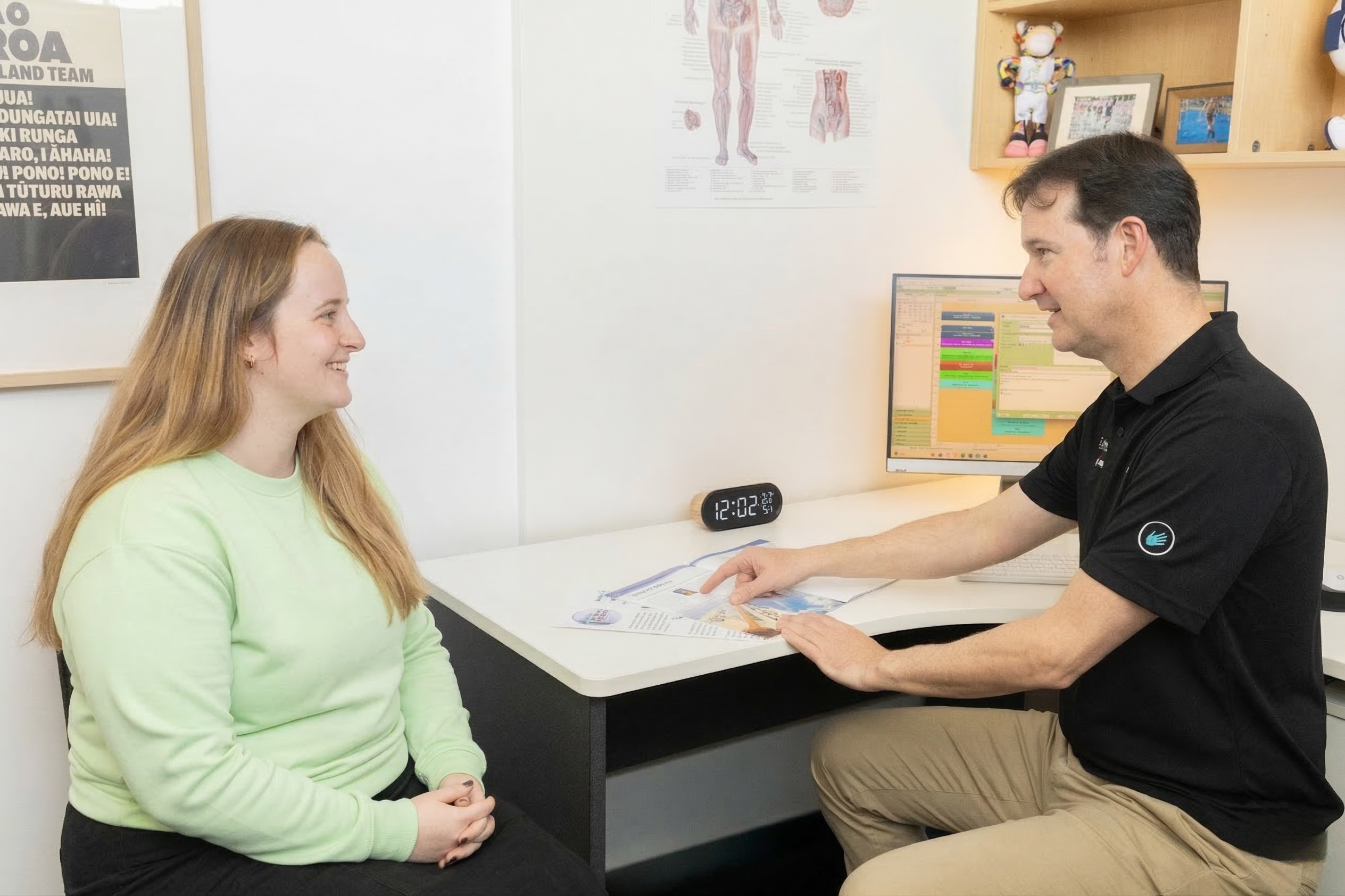
Specialised Care Before and After Breast Cancer Surgery
One of the most important services we provide is pre- and post-breast cancer surgery lymphatic assessment and monitoring. Breast cancer surgery, particularly when lymph nodes are removed, treated with radiation or mastectomies can increase the risk of breast cancer-related lymphoedema (BCRL). Monitoring the lymphatic system early allows clinicians to detect subtle changes long before visible swelling develops.
Pre-Surgery Baseline Assessment
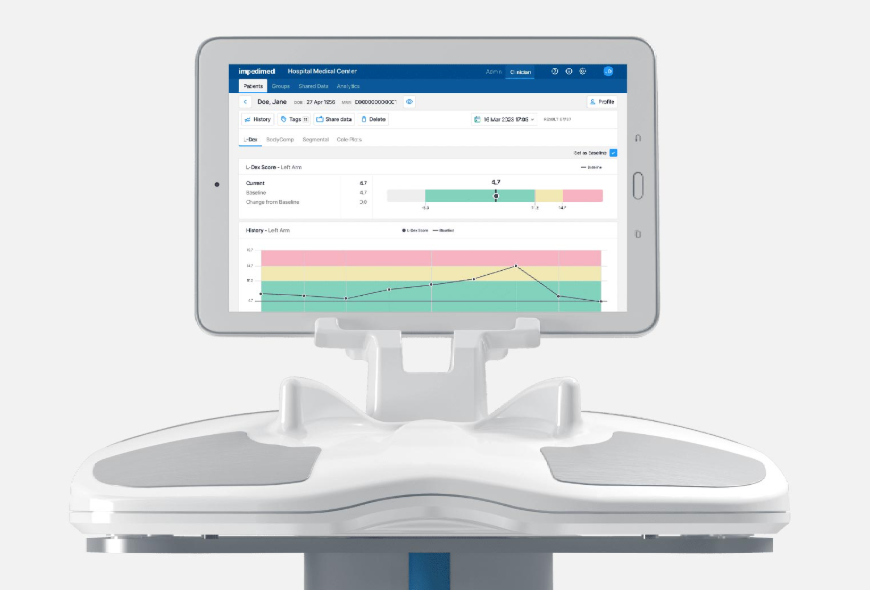
Before breast cancer surgery, clients can book a baseline lymphatic assessment, which includes a SOZO bioimpedance spectroscopy reading (L-Dex measurement). As an FDA-cleared medical device, SOZO provides a 30-second, non-invasive scan to establish a precise reference point. This allows us to detect subclinical fluid changes long before visible swelling appears, providing a magic window of opportunity for early intervention.
Post-Surgery Monitoring and Management
Following breast cancer surgery, regular monitoring helps detect early lymphatic changes during the subclinical phase, the stage where changes in lymphatic fluid are present but swelling is not yet visible. Using advanced technology such as SOZO bioimpedance spectroscopy, we are able to detect these subtle changes early and intervene when needed.
Monitoring during this phase allows for:
- Monitoring for early signs of lymphatic changes (subclinical phase)
- Early intervention strategies when required
- Education on risk reduction and self-management
- Guidance on safe exercise and lymphatic health
- Long-term lymphatic monitoring and support
Support for Women with Lipoedema
Many women live with lipoedema for years before receiving a clear diagnosis. Lipoedema is a chronic subcutaneous adipose tissue disorder (SAT) characterised by disproportionate fat distribution, heaviness, tenderness, swelling and tissue changes, often affecting the legs and sometimes the arms. If you suspect you may have lipoedema, this consultation provides a comprehensive assessment and personalised management pathway. Our aim is to provide clear answers, education and practical treatment strategies to help manage symptoms and improve quality of life.
This Consultation is Suitable For
This consultation may be helpful if you:
- Wonder whether you may have lymphoedema
- Suspect you may have lipoedema
- Experience persistent swelling, heaviness or fluid retention
- Are preparing for breast cancer surgery
- Have had breast cancer surgery
- Would like to monitor your lymphatic health proactively
During the Consultation
A specialised consultation includes a comprehensive lymphatic health assessment:
Assessment
Exam
Review
Pathway
Advanced Technology Used in Assessment and Treatment
We combine specialised manual lymphatic therapy with advanced treatment technologies to provide comprehensive lymphatic care.
SOZO Bioimpedance (L-Dex)
As an FDA-cleared medical device, the SOZO measures bioimpedance spectroscopy, allowing clinicians to detect very small changes in lymphatic fluid levels. Benefits include subclinical detection before visible swelling appears, monitoring fluid levels over time and objective measurement using L-Dex scoring.
Flowpresso Therapy
An advanced intermittent pneumatic compression therapy system designed to support lymphatic and circulatory function. Flowpresso may assist with fluid retention, lymphatic congestion and recovery support.
Low Level Laser Therapy
Specialised therapy used to reduce fibrosis and tissue thickening, improve lymphatic vessel activity and support tissue healing. This technology is particularly helpful for fibrotic tissue often present in chronic lymphoedema or lipoedema.
TEO Power Oscillation Therapy
An advanced therapy used to support the management of lipoedema and fibrotic tissue changes. The device delivers controlled oscillations to stimulate tissues, support circulation and help reduce fibrotic tissue.
Lymphatic kinesio Taping
Lymphatic kinesio taping uses specialised elastic tape applied in specific patterns to gently lift the skin, reducing pressure in the tissues. This supports lymphatic flow, encourage fluid movement and assist in managing swelling and lymphatic congestion.
Multilayer Bandaging
Multilayer bandaging uses several layers of specialised padding and compression bandages applied to an arm or leg. This creates graduated pressure that supports lymphatic and venous return. Helping reduce swelling, soften tissues and gradually decrease limb volume during intensive treatment phases.
Your Management Plan May Include
Based on your assessment findings, your management pathway may include:
- Manual Lymphatic Drainage (MLD)
- Decongestive exercises
- Specialised Compression garment advice
- Flowpresso compression therapy
- Fibrosis treatment using laser or oscillation therapy
- Referral for nutrition or lifestyle support
- Ongoing monitoring and follow-up assessments
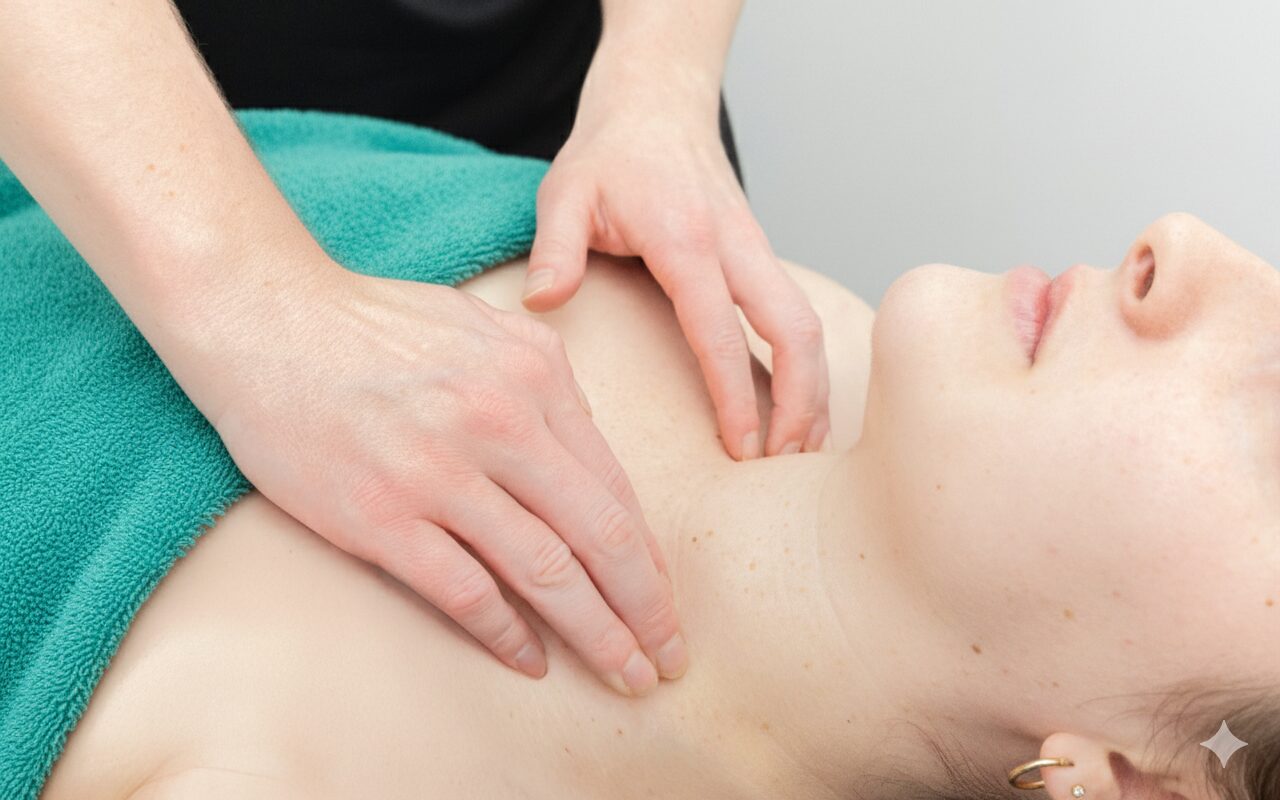
Proactive Lymphatic Care
We strongly believe in education, early intervention and proactive management. Our aim is to help people understand their lymphatic health before conditions progress, giving them the knowledge and tools to manage their health effectively. Rather than waiting until symptoms worsen, we support clients early, helping to prevent what is often referred to as “the ambulance at the bottom of the cliff”.