Understand your condition, find relief with Lymphatic Drainage
Expert Manual Lymphatic Drainage in Canterbury
At Hands On Clinic, we are proud to be Canterbury's leading providers of Manual Lymphatic Drainage (MLD), with a specialised focus in managing three key types of clinical oedema. Our approach is grounded in the well-established methods of Dr. Vodder and Casley-Smith. Since 2007, we have proudly provided results-driven lymphatic therapies to our local community, supporting our clients on their journey to better health.
Lipoedema
A chronic subcutaneous adipose tissue disorder (SAT) that primarily affects women.
Understanding the difference between healthy lymphatic flow and obstruction.
Lymphoedema
Lymphoedema is an inflammatory condition characterized by chronic fluid retention, typically in arms and legs, due to a damaged and compromised lymphatic system. The system, a network of vessels and nodes, normally removes excess fluid and waste from its connective tissues. When this system is disrupted, fluid accumulates in the interstitial spaces, leading to swelling, heaviness and risk of infections.
Over time swelling can become fibrotic, painful and limit movement, affecting quality of life and daily activities. Lymphoedema can also increase the chance of tissue changes, including thickening, hardening or ulcers in advanced stages.
Primary Lymphoedema
Results from congenital or inherited abnormalities in the lymphatic system. It may present at birth (congenital lymphoedema), during puberty (lymphoedema praecox) or later in adulthood (lymphoedema tarda). Causes include malformations or reduced lymphatic vessels or nodes, sometimes associated with genetic syndromes.
Secondary Lymphoedema
The most common form of Lymphoedema arises from damage or obstruction to an otherwise healthy lymphatic system. Common triggers include surgical removal of lymph nodes (often related to cancer treatment), radiation therapy, infection (such as filariasis in tropic regions), trauma, obesity and chronic venous insufficiency. The onset is typically after surgical intervention and potential swelling may progress gradually.
Manual Lymphatic Drainage (MLD) stimulates lymph vessels and redirects fluid toward functional pathways. MLD helps reduce swelling, improves tissue softness and may lessen the risk of infection or advance lymphoedema to a next phase.
Lipoedema
Lipoedema is a chronic inflammatory condition also known as Subcutaneous (under the skin) Adipose (fat) Tissue Disorder. It is hereditary and characterized by symmetric, disproportionately enlarged legs (often thighs and calves) that spare feet, with a tendency to bruise easily and to resist conventional weight loss.
It predominantly affects women and can be associated with pain, tenderness and easy swelling that worsens with standing or after hormonal changes. Although lipoedema and lymphoedema can coexist, lipoedema itself is not caused by lymphatic failure, but an impaired lymphatic system can contribute to swelling and discomfort in affected arms and legs.
Lipoedema may progress through stages, eventually impacting mobility and quality of life, and MLD treatment focuses on symptom management.
Phlebedema
Phlebedema, more accurately known as chronic venous insufficiency (CVI) with “dynamic” oedema, is a condition where veins in the legs struggle to return blood to the heart. This causes accumulation of blood plasma, elevated venous pressure and leakage of fluid into surrounding tissues, leading to swelling, heaviness, aching and sometimes skin changes such as discoloration or ulcers.
CVI often arises from weakened vein walls or faulty valves, with risk factors including prolonged standing, obesity, pregnancy, age and a history of leg injuries. Unlike lymphatic disorders, CVI is primarily a venous problem, though it can interact with the lymphatic system, complicating fluid management and increasing infection risk in advanced stages.
In CVI, Manual Lymphatic Drainage is typically part of a comprehensive approach. It does not cure CVI but can help alleviate swelling and symptoms.
What It Is and How It Benefits You
MLD is a gentle, non-invasive technique that uses light, precise movements to stimulate the flow of lymph fluid and support the body's natural lymphatic function. Despite its light touch, MLD can have a powerful impact by promoting detoxification, reducing inflammation, improving tissue health and boosting the immune system.
By gently stimulating the lymphatic vessels, MLD helps to:
- Improve the lymphatic flow
- Clear stagnant interstitial fluid
- Encourage detoxification via the liver, kidneys and lungs
- Increase energy and reduce fluid retention
- Support healing and immune function
- Reduce inflammation and chronic pain
How We Work
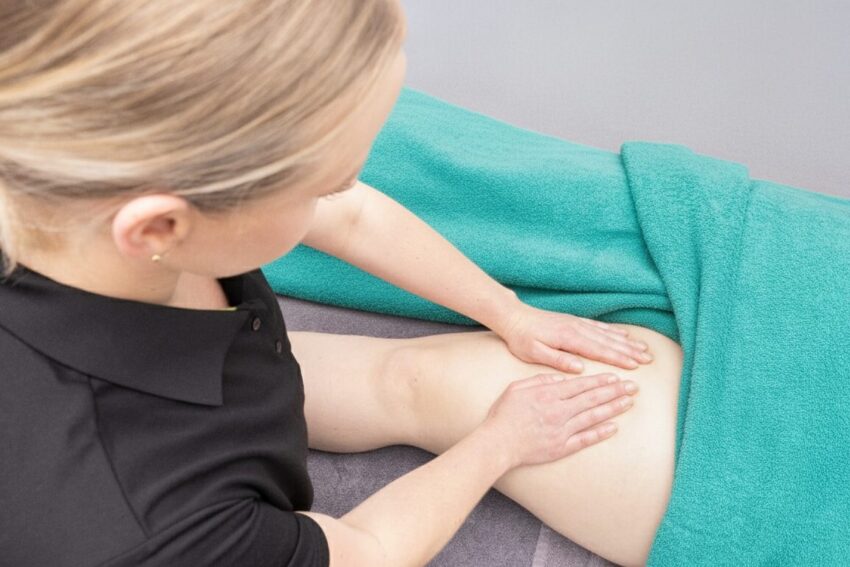
Every session follows a proven sequence, starting with areas closest to your body's centre, such as the neck, chest and upper torso. This creates space in the lymphatic system so fluid from swollen areas farther away (like the arms or legs) can move more freely.
Our therapists use gentle, rhythmic hand movements that lightly stretch the skin, firm enough to encourage lymph flow but never forceful, making each treatment both effective and comfortable.
Tailored, Personalised Treatment Plans
Our clinic specialises in helping clients manage swelling (oedema) and other, often chronic conditions, creating treatment plans personalised for your unique needs.
1. Comprehensive Consultation
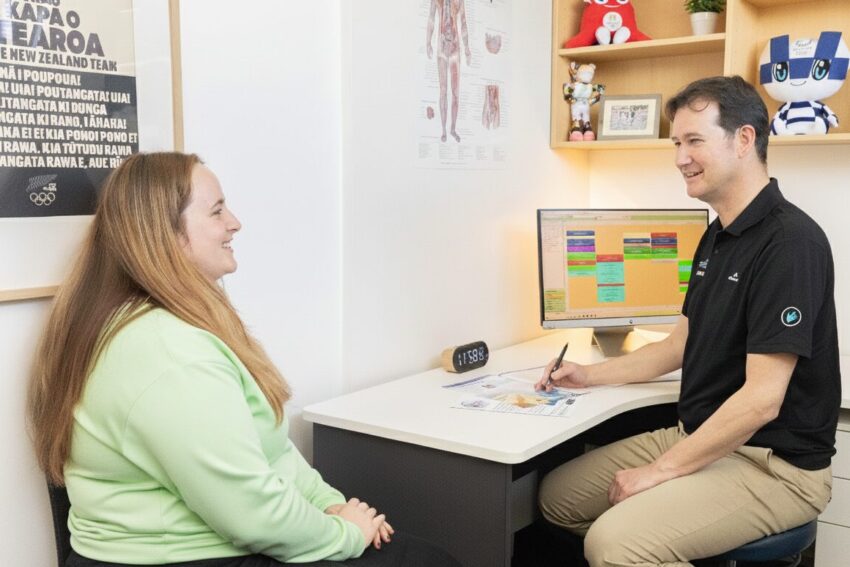
Your journey begins with a one-hour consultation, where we take the time to understand your needs through a friendly conversation and detailed assessment. From there, we design a personalised plan.
2. Initial Treatment Plan
Most clients start with three to four 60-minute sessions (one per week) to gently stimulate lymph flow and reduce swelling. We closely monitor your progress, adjusting your plan as needed.
3. Follow Up Treatment Plan
Based on your response to your initial treatment plan, we then recommend a personalised follow-up plan to support your ongoing recovery and well-being.
Complete Care for Long-Term Oedema
For persistent or complex cases, we offer supportive therapies alongside MLD, including:
- Complex Decongestive Therapy (CDT)
- Compression garment fitting and advice
- Kinesio taping techniques
- Medical bandaging for oedema management
- Gentle decongestive exercises
A Connected Network of Care
We collaborate with local and national professionals, including the NZ Breast Cancer Foundation and St George's Cancer Care Centre.
Our Commitment to You
Book your appointment today and start your journey towards reduced swelling, improved comfort and better overall wellbeing.
Frequently Asked Questions
What is Manual Lymphatic Drainage (MLD) used for and what are the benefits?
Manual Lymphatic Drainage (MLD) is a gentle, specialised massage technique that stimulates the lymphatic system, your body’s natural waste removal and immune defence network. It helps reduce swelling, improve circulation, support healing, and promote overall wellbeing.
Common Indications for MLD
| Post-Surgical & Medical | Neurological & Chronic Pain | General Wellness & Other Conditions |
| ✅ Primary & Secondary Lymphoedema | ✅ Tension headaches & migraines | ✅ Sports Recovery Post Exercise recovery, Acute Injuries |
| ✅ Lipoedema / Venus Insufficiency | ✅ Neuralgia & sensory regulation disorders (SRD) | ✅ Ear Nose & Throat Sinus congestion, sinusitis, Tinnitus, Ménière’s disease |
| ✅ Post-mastectomy / post-hysterectomy | ✅ Multiple Sclerosis | ✅ Pregnancy Related Swelling |
| ✅ Pre & post surgery (including orthopaedic and vascular procedures) | ✅ Fibromyalgia | ✅ Digestive Support (IBS, Constipation), Colitis |
| ✅ Pre & post cosmetic surgery | ✅ Chronic fatigue | ✅ Immune Health Strengthening the immune system, toxic load or environmental poisoning |
| ✅ Post-vein stripping | ✅ Stress-related tension | |
| ✅ Varicose veins | ||
| ✅ Dermatological Support Acne, Eczema, Leg Ulcers, Burns & Scar Managment, Scleroderma |
Benefits of MLD
- Reduced swelling and discomfort
- Faster healing and recovery
- Improved mobility and function
- Enhanced immune system performance
- A deep sense of relaxation and wellbeing
When is Manual Lymphatic Drainage (MLD) not recommended?
While MLD is safe and gentle for most people, there are certain situations where it should be avoided or postponed. These are called contraindications.
Absolute Contraindications (MLD should not be performed)
| ❌ Absolute Contraindications (Treatment Not Advised) | ⚠️ Relative Contraindications (Require Medical Clearance) |
| Acute Infections (bacterial or viral) | Controlled Congestive Heart Failure |
| Untreated Cancer | Treated Malignancies (requires clearance from oncologist) |
| Cardiac Insufficiency / Congestive Heart Failure (untreated) | Thyroid Dysfunction |
| Renal (Kidney) Failure | Asthma |
| Deep Vein Thrombosis (DVT) | Menstruation (for abdominal drainage) |
| Acute Bronchitis or Active Tuberculosis | Hypotension or Low Blood Pressure |
How often should I get Manual Lymphatic Drainage (MLD)?
The frequency of MLD sessions depends on your individual needs, goals, and health condition.
- For medical or post-surgical needs:
In the early stages of treatment (such as after surgery, injury, or during flare-ups of lymphoedema), sessions may be recommended 1 - 3 times per week to achieve the best results. - For ongoing management:
Once your symptoms improve, you may move to weekly or fortnightly sessions to maintain results. - For general wellness and prevention:
Many people choose a 4-weekly session to support and maintain lymphatic health, reduce stress, and improve overall wellbeing.
Every person’s situation is different, so your therapist will assess your needs and create a personalised treatment plan. We can also coordinate with your healthcare provider to ensure the schedule is safe and effective for you.
Are there any side effects from Manual Lymphatic Drainage (MLD) treatment?
MLD is a very gentle technique and is generally well tolerated. Most people find it deeply relaxing and experience no negative effects. However, because MLD stimulates your lymphatic and circulatory systems, you may notice some temporary, mild reactions as your body adjusts:
Possible short-term effects include:
- Increased urination or bowel movements (as the body processes waste)
- Mild fatigue or drowsiness
- Temporary light-headedness
- Mild headache
- Slight increase in swelling before it reduces (especially in the first few sessions)
- Very mild skin redness in the treated area
These effects are usually short-lived and are considered a normal part of your body’s response to treatment.
⚠️ If you experience pain, fever, or unusual swelling after MLD, stop treatment and contact your healthcare provider, as this may indicate an unrelated medical issue that requires attention.
💡 Tip: Staying well hydrated before and after your session can help your body process fluids more efficiently and may reduce the likelihood of side effects such as headaches or fatigue.
What will happen during my first appointment?
During your first appointment, we will start with a friendly chat to learn about your health history, concerns, and goals. Your therapist will then do an assessment and explain your personalised treatment plan. You will also receive your first treatment, tailored to your needs, and we will answer any questions, so you feel comfortable and informed.
Follow-up appointments will be more treatment-focused, as we will already know you and your requirements
What do I wear to my appointment?
Wear comfortable, loose-fitting clothing that allows easy movement. Depending on your treatment, you may be asked to remove certain items, but you will always be draped for privacy and comfort.